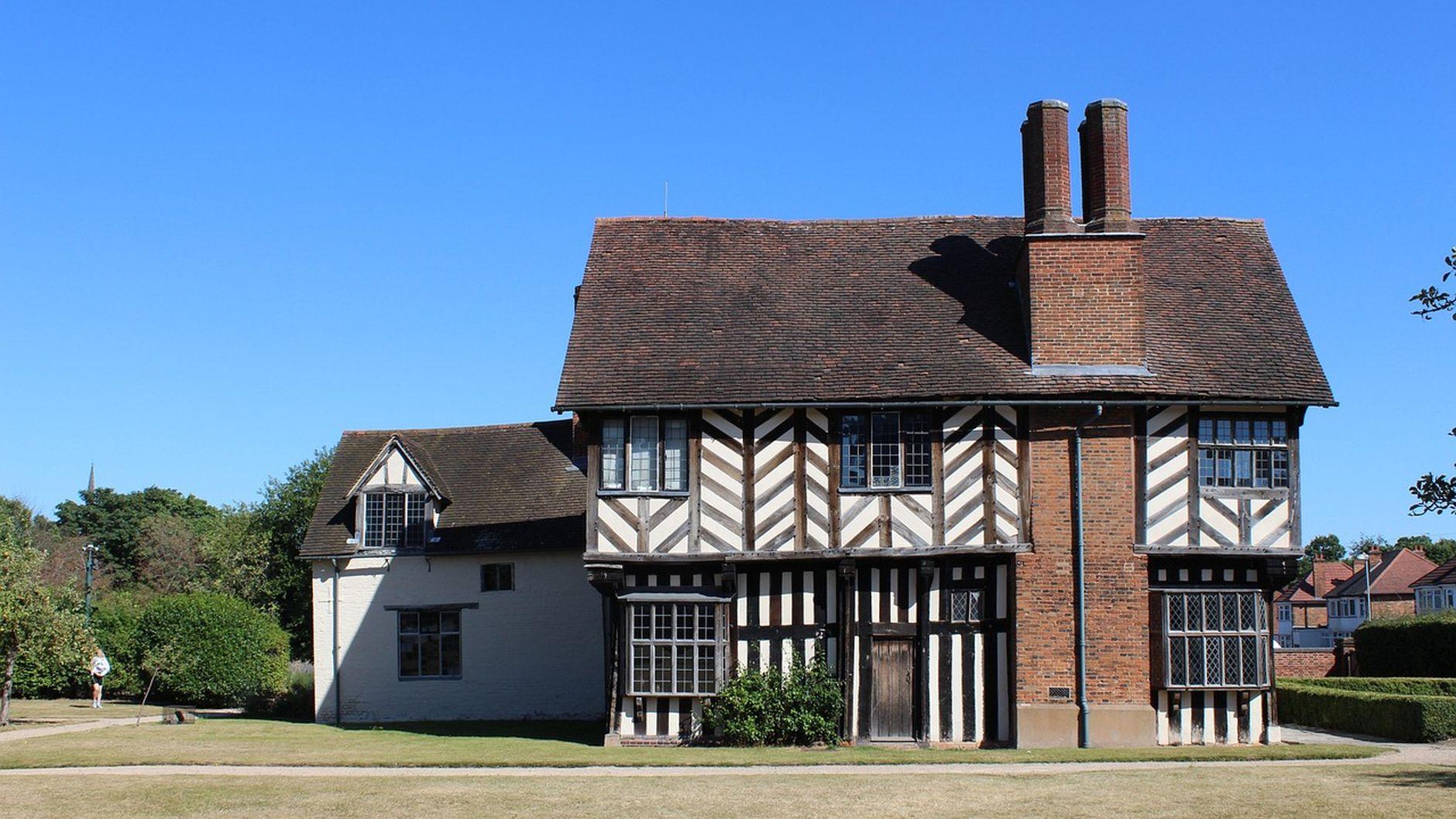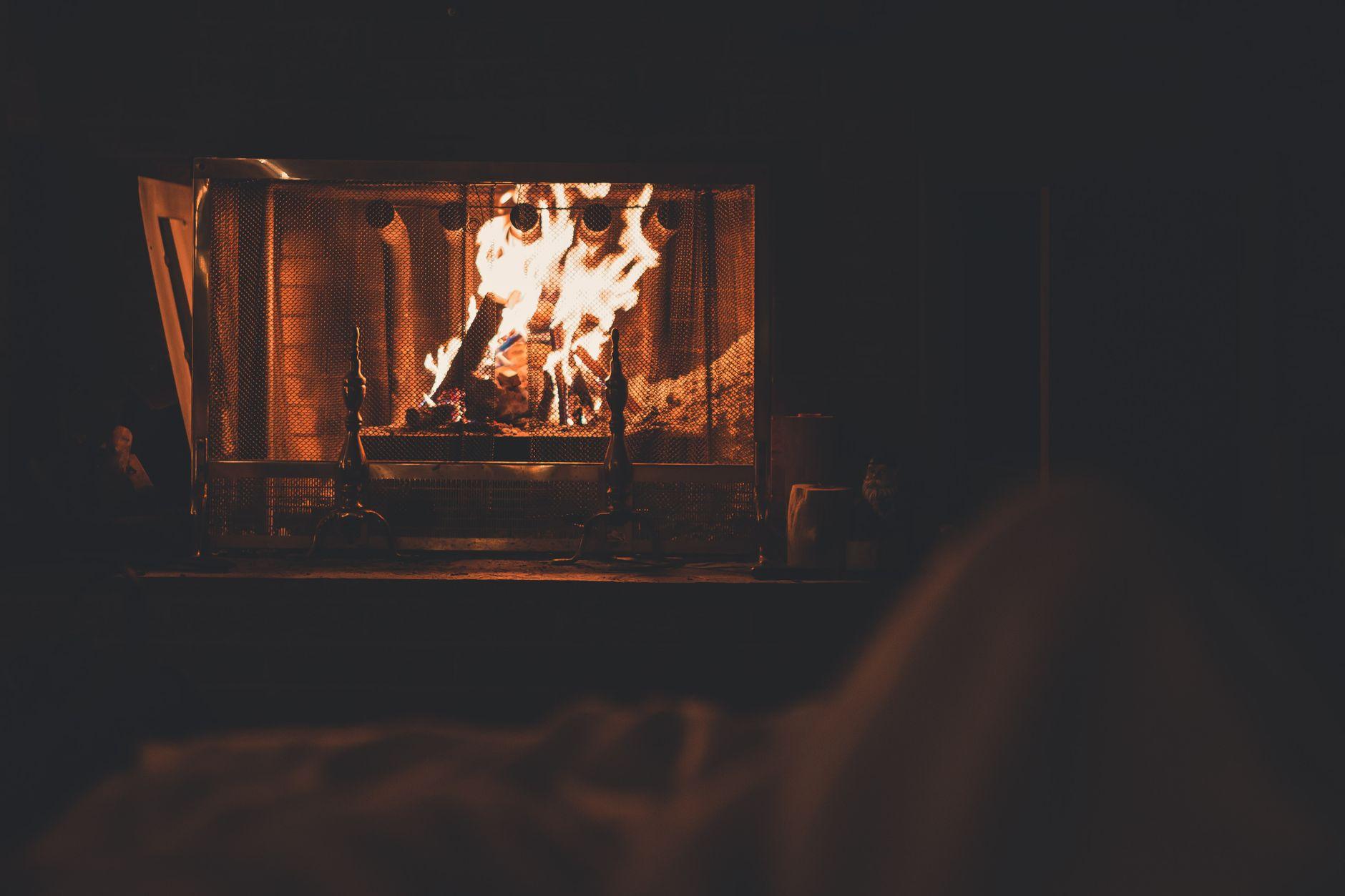

An inspection report on an older chimney often ends with a sentence the owner did not expect: the flue is not fit for use as it stands. In Fullerton that sentence mostly lands on houses built before the 1950s, and it leaves two roads. One is a new liner inside the old chimney. The other is new masonry around a new flue. Bedford Chimney Care does both, so we have no reason to push either. This is how the choice really gets made.
What the camera finds in a flue this old
Three conditions account for nearly every report we write on pre-war and early post-war chimneys.
The first is bare brick. Some chimneys from the 1910s and 1920s were built with no liner at all. The inside is brick and mortar, sometimes under a skim of plaster. Mortar exposed to flue gas for a century wears away, and the gaps lead straight into the wall of the chimney.
The second is short clay tile with open joints. Early tiles were often stacked with only a thin smear of mortar between them. The camera shows dark lines at each joint where that mortar has gone, and sometimes a tile sitting a finger-width off its neighbor.
The third is split tile. A long vertical split usually means the tile was heated fast and unevenly at some point in its life. A band of broken tile at one height more often means the chimney moved there. North Orange County has had its share of shaking, the 1987 Whittier Narrows quake and the 2014 La Habra quake among it, so that second pattern is no rarity here.
Each of the three lets heat and gas reach brick that was meant to stay cool. Which repair fits depends less on the flue than on what surrounds it.
The case for a liner
A stainless steel liner is one continuous tube from the chimney top to the firebox throat, or to an appliance. It makes a new flue inside the old one. It suits a chimney whose shell is sound: the stack stands plumb, the brick rings solid when tapped, the outside joints are intact or can be repointed, and the chimney has not parted from the house.
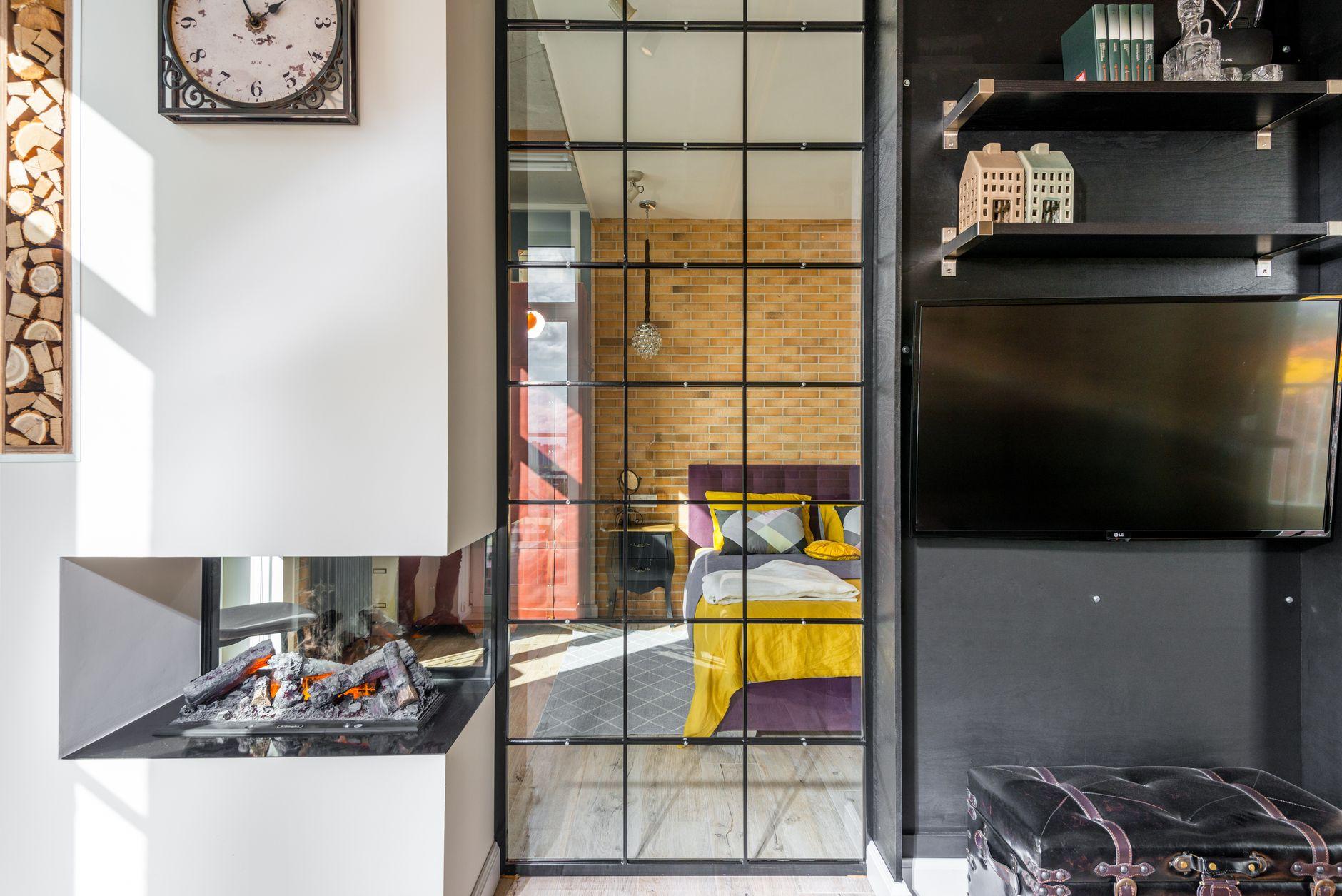
For an open wood fireplace, the tube has to be wide enough for the opening it serves, and an old flue is sometimes too narrow to take that width once insulation is wrapped around it. Then the broken tiles may be taken out for room, or another approach is priced. For a gas insert or a wood insert, the tube is slimmer, matched to the appliance, and nearly always passes. That is why a failed flue in an older house so often ends with an insert: the appliance and its venting answer the flue problem and the drafty-fireplace problem in a single job. Our gas insert work is $2,750 to $5,550 fitted, venting included.
A liner also leaves the outside of the house alone. On a Craftsman with a clinker brick chimney, or a Spanish house with a stucco stack under a tiled top, that counts for a great deal.
The case for rebuilding
A liner cannot hold up a chimney. If the report shows the stack leaning, courses that have slid, a crack passing through the full thickness of the wall, or brick so soft that fixings will not grip in it, a new tube inside is money spent on a structure failing around it. Then the damaged part is taken down and laid again, with new flue tile set as the brick rises.
How much is taken down is the whole question. Often the trouble is confined to the part above the roof, which takes the weather and the whip of every quake. Sometimes it reaches the attic floor. Rarely it reaches the firebox. The report says where sound masonry begins, and the quote is written to that line, with a stated price for going one stage lower should the brick disappoint once it is opened.
A rebuild also lets an old chimney go back better than it was first built, with steel inside it and ties to the house frame. On a chimney that predates reinforcing, that is a real gain. Our chimney rebuilds page sets out the choices.
Side by side
| Question | Liner | Rebuild |
|---|---|---|
| Must the stack itself be sound? | Yes | No |
| Does the outside of the house change? | No | Yes, above the rebuild line |
| Can an open wood fire continue? | Only if a wide enough liner passes | Yes |
| Does it suit an insert? | Very well | Yes, though it is more than an insert needs |
| Does it add strength against shaking? | No | Yes, when steel and ties go in |
What settles it on your house
Four findings from the Level 2 report decide most cases: whether the stack is plumb and tight to the house, how the brick and outside joints have held, what the flue measures inside, and what you mean to burn. The last one is yours to answer, and it shifts the result more than people expect. An owner who wants the open fire that came with a 1925 living room is choosing from a shorter list than an owner who would be glad of a gas flame behind glass.
If you already hold a report that condemns the flue, or no camera has ever been through it, use the contact page to say which fireplace or appliance the flue serves and whether you want wood or gas in future, and ask for a liner and rebuild comparison. The $390 Level 2 inspection gives us the measurements, and the written quote sets both routes side by side wherever both are possible.
What neither option includes by default
A liner job does not mend a broken top, loose flashing or open joints on the outside of the stack, though all three are often found on the same visit and can be priced on the same page. A rebuild above the roof does not mend a cracked firebox below it. Read any quote for what it leaves out as closely as for what it holds. Ours lists the exclusions in a section of their own so they cannot be missed.
A word about coatings
There are products that coat the inside of a clay flue to close small gaps. They have a place where the tiles are sound and only the joints have opened. They are no cure for missing tile, bare brick or a flue that has moved, and we do not offer them for those conditions. If a bidder proposes a coating for a flue with broken tile, ask to see the camera pictures, and ask what the product's maker says about gaps of that size.
The next move
Lining against rebuilding is decided by measurements, not by taste. Our chimney liner installation page describes the lining work in detail. To have the flue in your Fullerton house measured and both routes priced, reach us through the contact page.
Wondering Where Your Own Chimney Stands?
Bedford Chimney Care works from Fullerton on the fireplaces of older houses. We find out what the flue, firebox and stack are actually made of, then put the findings and a price for each repair in writing.